One commission, six clear stages.
The physical prototype review is the approval point before production. One line runs the length of this page: each stage is a station on it.
How the build moves forward
The brief
Every commission starts with a conversation. The studio listens for the occasion, the audience, and the brand or story the build needs to carry. Questions get asked until the brief is concrete enough to design against. Nothing moves to concept work until both sides agree on what is being built and why.
Gathered here
- The occasion
- The audience
- The brand, or the story the build needs to carry
No photograph. Stage one is a conversation, not a subject.
The design
The brief is translated into a visual concept: proportions, colors, brand elements, and the story the finished build needs to tell. The studio works through options and refines the design with the client until it is ready to leave the screen and become physical. This is where the shape of the final build is set.
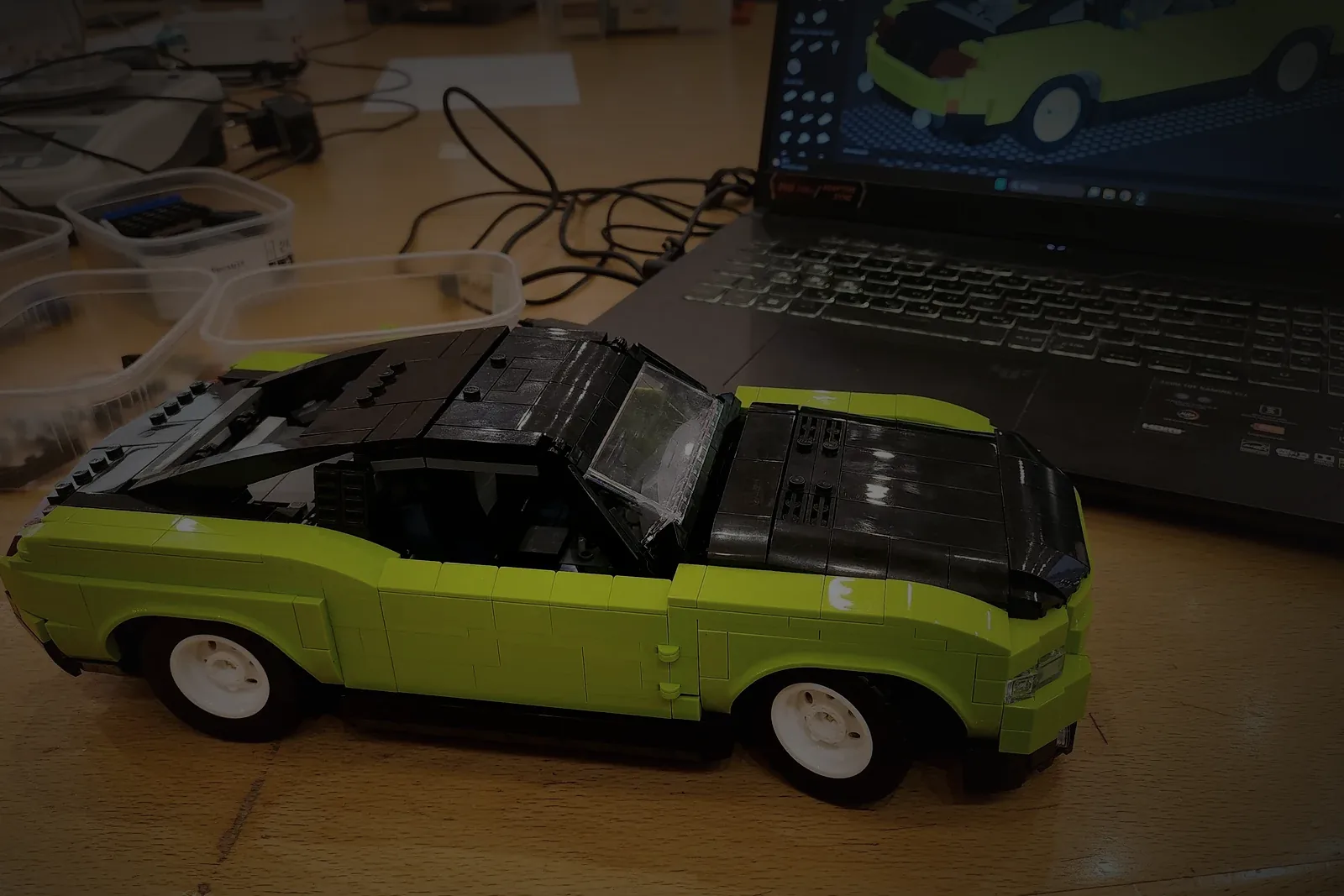
The prototype
The approved concept is built by hand into a real prototype, in brick, not a render. The client reviews the physical piece before anything moves further. This is the approval gate: production does not start until the client has seen and signed off on the prototype in front of them.
No photograph
Some builds are shown here only once the client has given written permission.
Approval gate
The client physically reviews and approves the prototype before production begins. Nothing is produced at scale until this approval is given.
Production
Once the prototype is approved, the studio produces the finished build to match it. Each build is checked against the approved prototype, piece by piece, as it comes together, so the final result matches what the client signed off on.
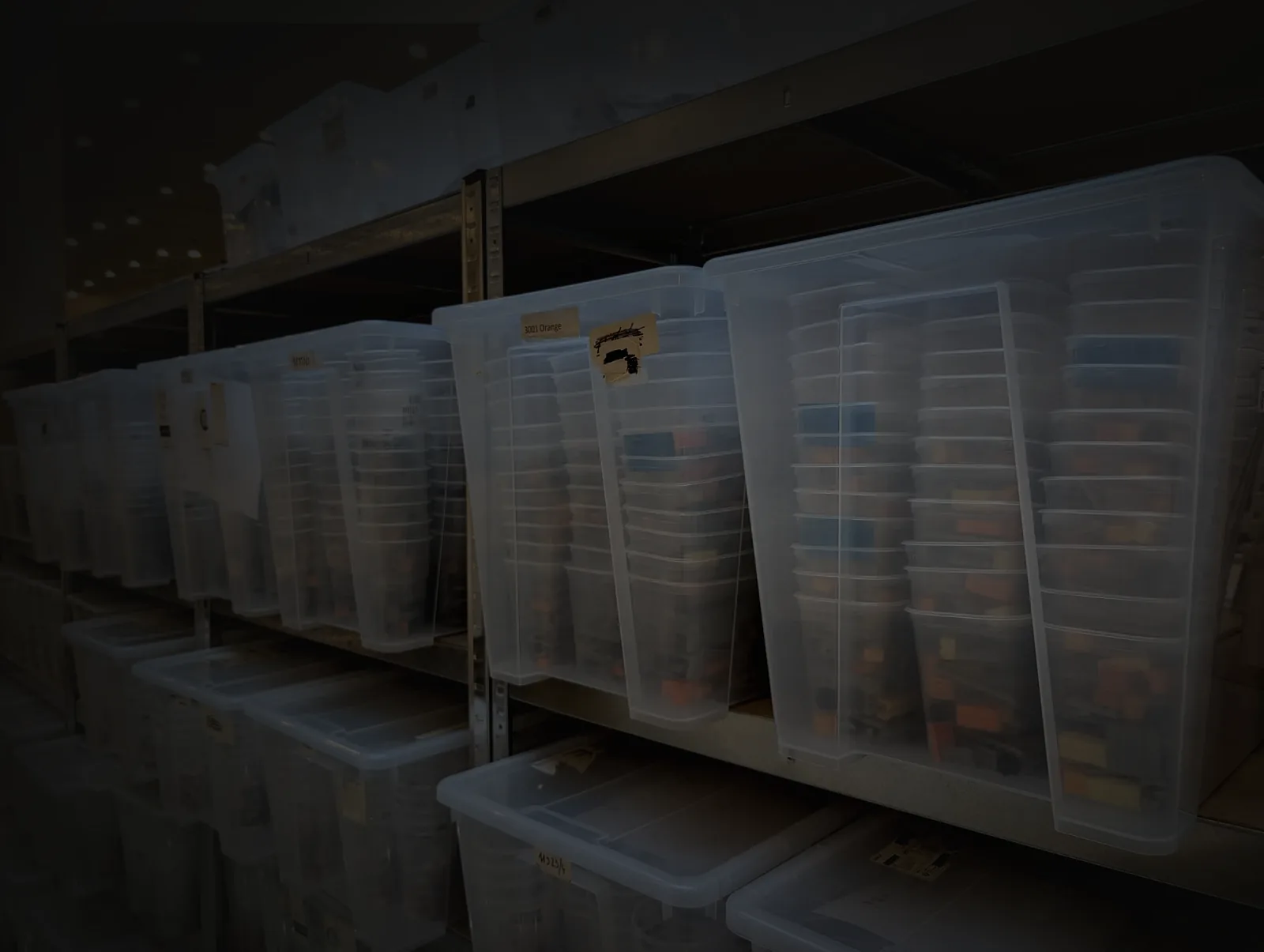
Packaging
The finished build is packaged to protect it and to suit the occasion, from branded packaging to a simpler presentation. Where a build will be assembled on site or handed to someone else, step-by-step instructions travel with it. Packaging decisions are made alongside the client as part of the same commission.
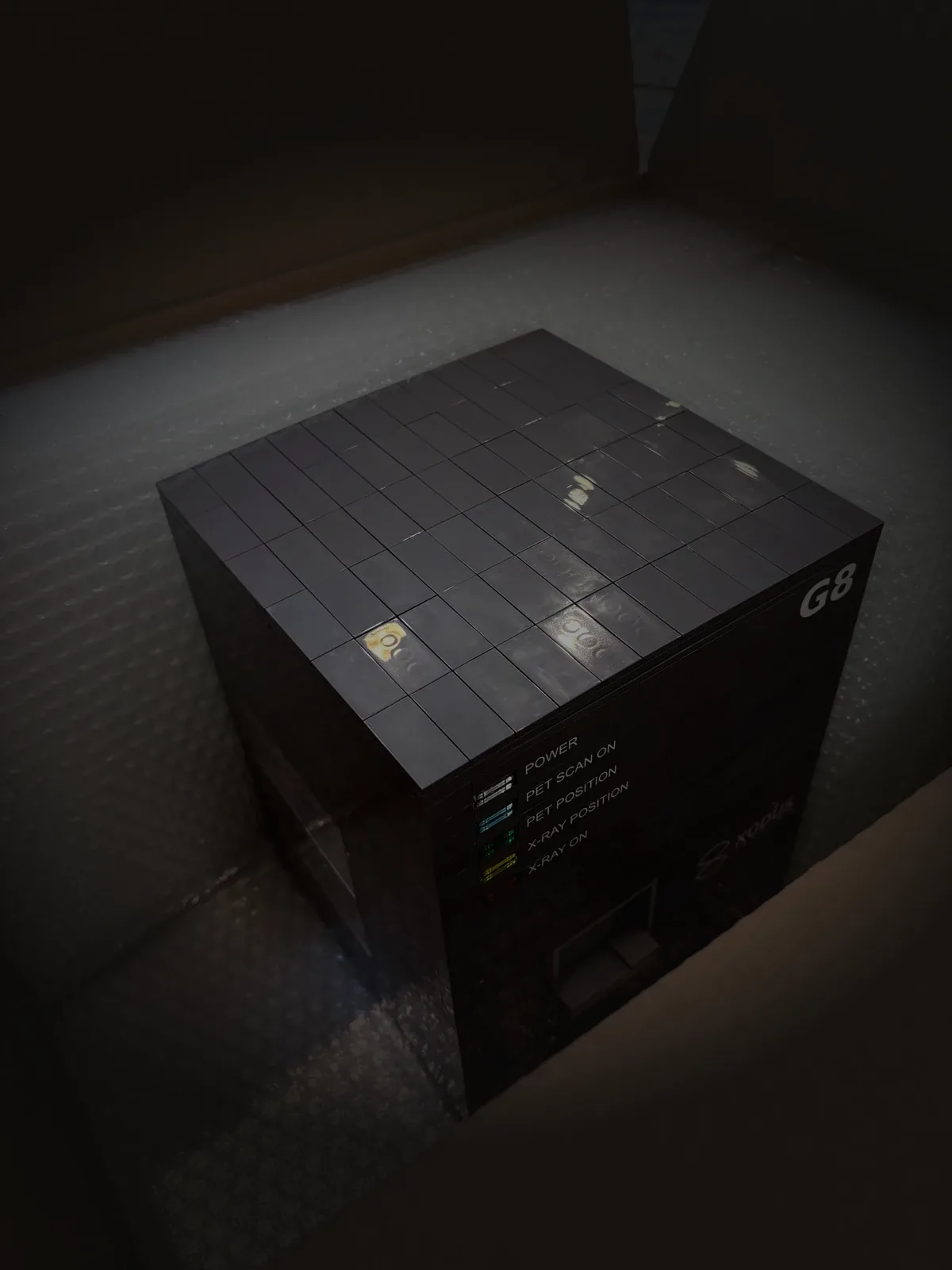
Xodus Imaging Delivery
The finished, packaged build is delivered to the moment it was made for, wherever that is happening. Delivery is arranged as part of the commission, not as an afterthought, so the build is in place and ready when it is needed.
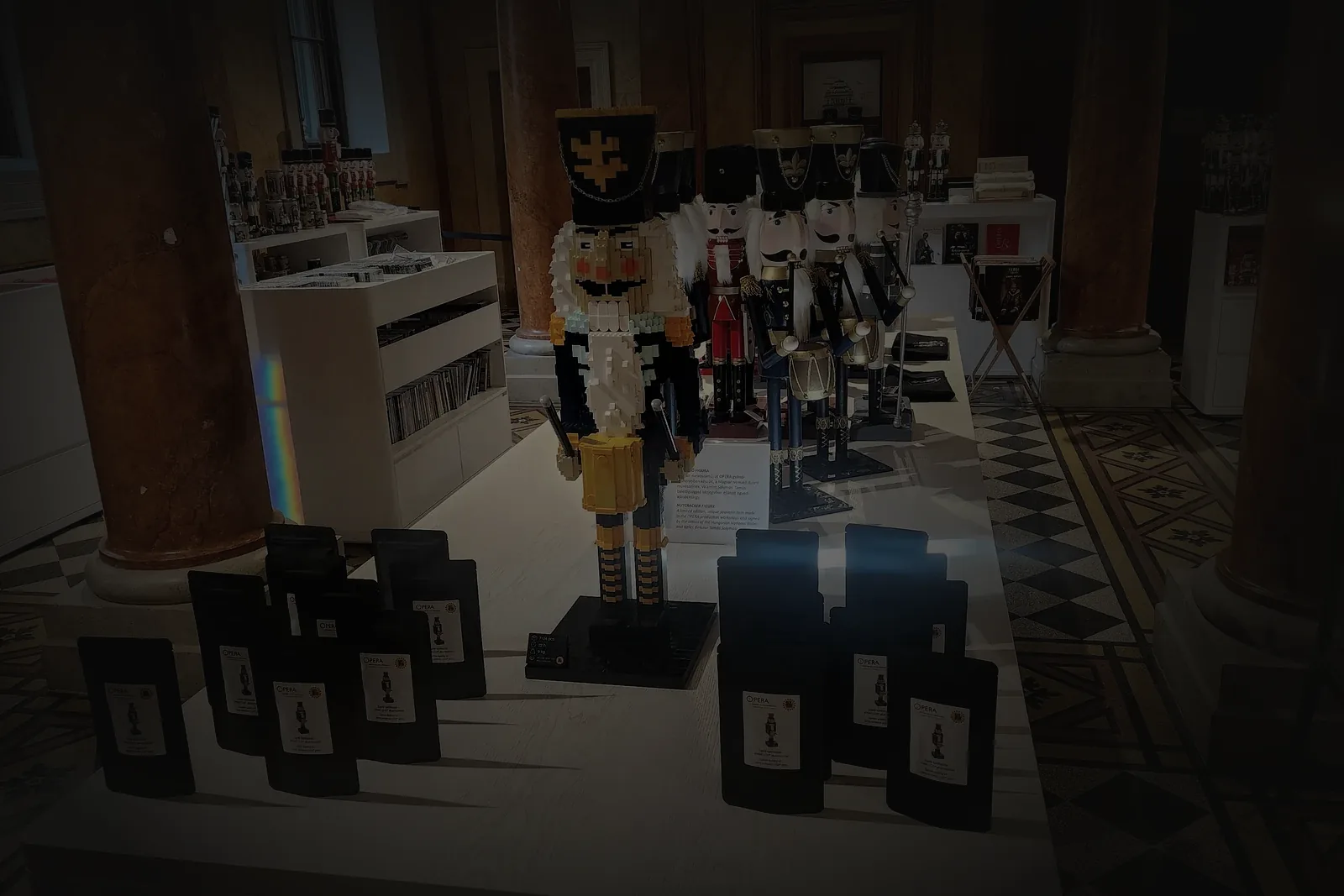
Hungarian State Opera
Start with the brief
Use a fixed 30-minute call to outline the commission and identify the next useful step.

Fixed duration: 30 min
With JavaScript off, use the email, phone or form below; they reach the same person.
Selected:
No time that works? Send us a message instead.